“News That Moves With You.” website - www.inorbithost.com

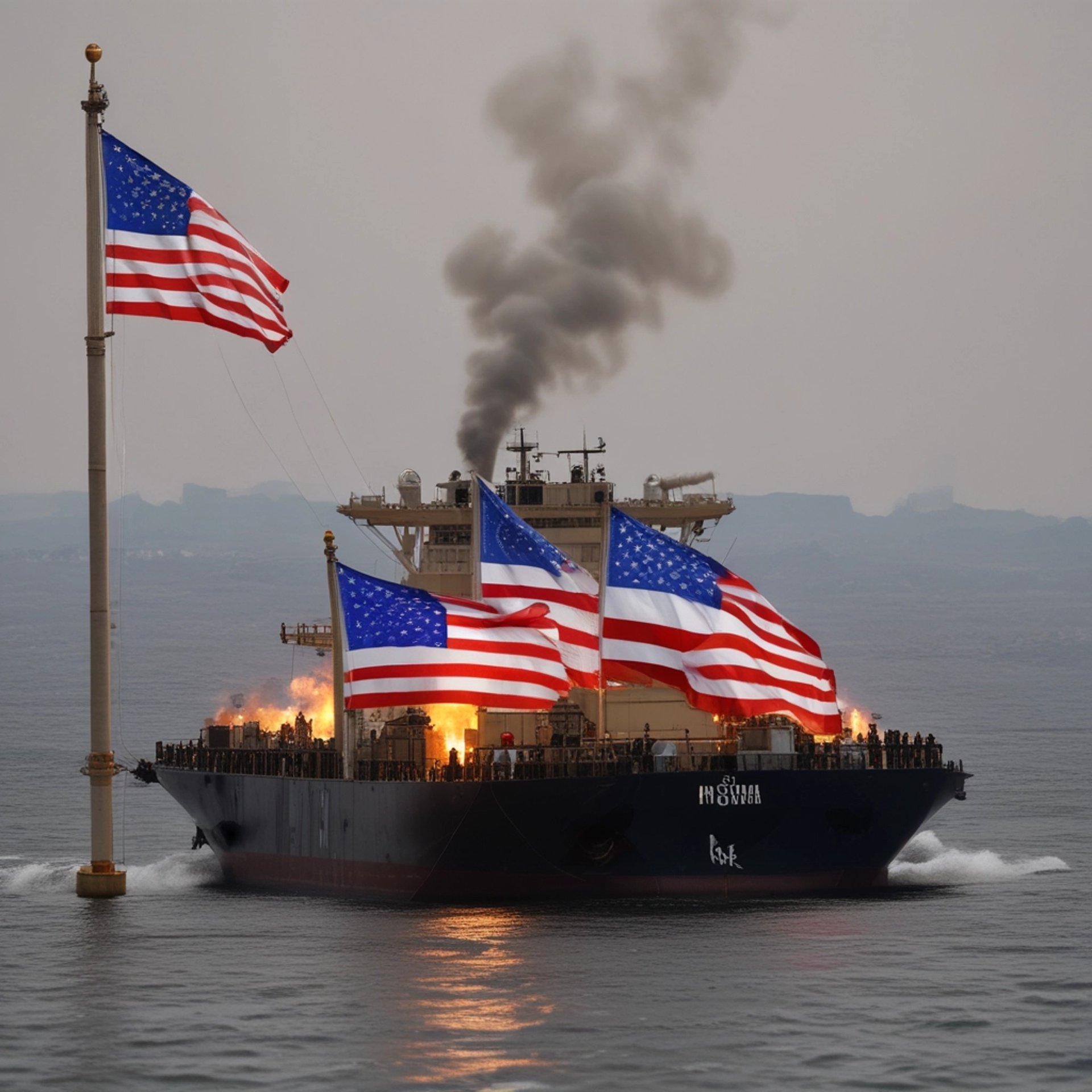
The US–Iran conflict is not a single war — it’s a long-running geopolitical rivalry involving nuclear issues, military tensions, sanctions, and regional power struggles. Here’s a clear and updated explanation (including what’s happening right now in 2026). What is the US–Iran conflict?-The conflict is a decades-long political and military tension between the United States and Iran, mainly over:
Iran’s nuclear program
US sanctions on Iran
Influence in the Middle East
Support for regional armed groups
The relationship became hostile after Iran’s 1979 Islamic Revolution, and tensions have repeatedly escalated since then.The US and Iran are holding high-stakes nuclear negotiations in Geneva to avoid a possible military clash. Iran wants sanctions removed; the US wants limits on nuclear and missile programs. At the same time, Washington has added new sanctions targeting Iranian oil networks. This means that diplomacy and pressure are occurring simultaneously.- Rising military tensions-The US has deployed carrier strike groups and increased forces in the Middle East to deter Iran. Iranian leaders warn that any attack could trigger a wider regional war. The situation is tense — but still short of a full-scale war.
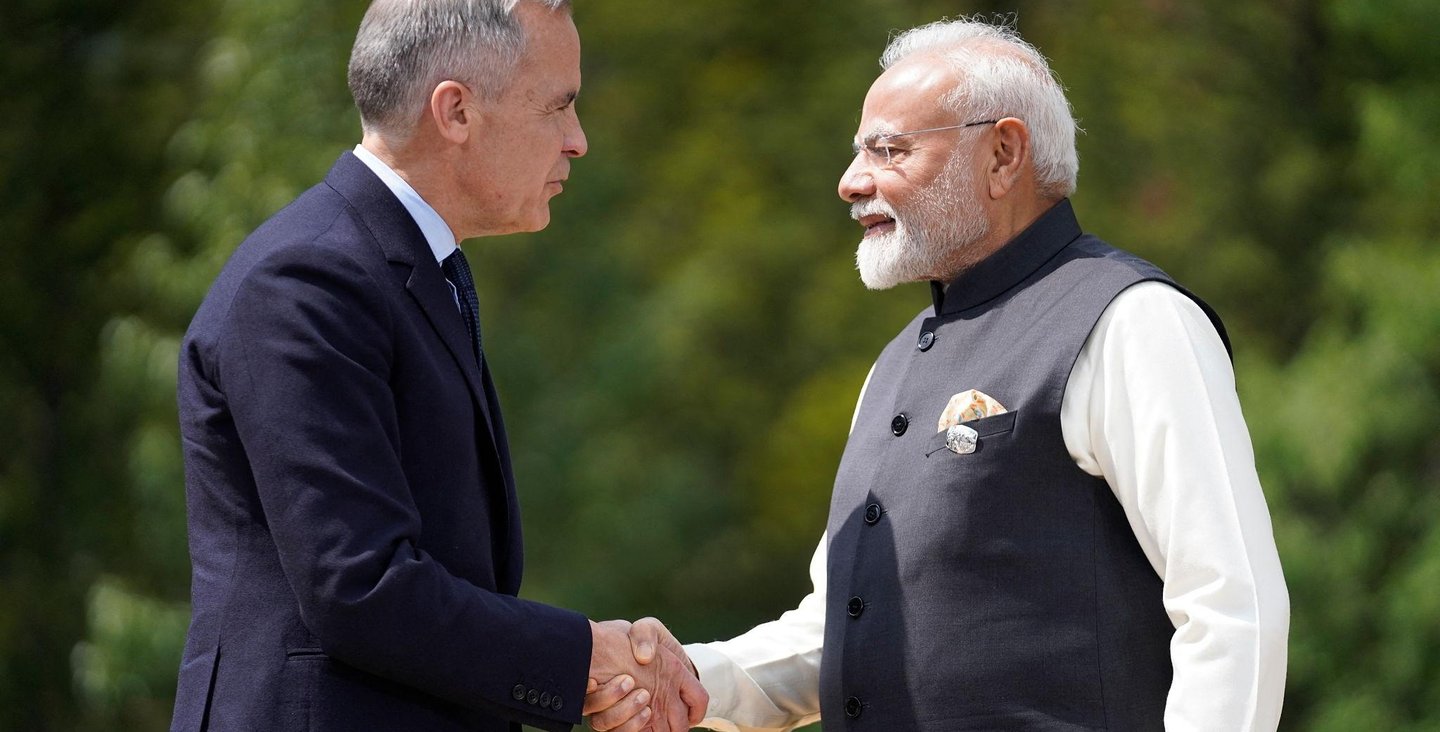
Canadian Prime Minister Mark Carney’s two-day visit to India highlights a deliberate effort to stabilise and rebuild relations after years of diplomatic strain. CANADA PUSH Positioning himself as a champion of cooperation among middle-power nations, Carney has adopted a more pragmatic and forward-looking diplomatic style since taking office.
A Calmer Diplomatic Tone
Ottawa’s approach has shifted noticeably under Carney. Instead of public disputes over sensitive issues, his government has prioritised quiet diplomacy and respectful engagement. This measured tone has helped reduce tensions and reopen channels for constructive dialogue with New Delhi.
Trade and Economic Priorities
Economic cooperation has become the backbone of the renewed partnership. Canada views India as a fast-growing market for energy, agriculture, and technology collaboration, while India sees Canada as a reliable partner for investment and resources. By focusing on shared economic gains, both sides are working to revive stalled negotiations and rebuild trust.
Strategic Alignment in the Indo-Pacific
Carney’s outreach reflects a wider Indo-Pacific strategy, presenting Canada as a collaborative middle power ready to work with India on resilient supply chains, maritime stability, and emerging technologies. This aligns with India’s broader effort to diversify partnerships and strengthen regional security networks.
Rebuilding Political Confidence
High-level meetings, carefully coordinated messaging, and a willingness to avoid escalation have helped restore a degree of political confidence between the two governments. While differences still exist, both countries appear focused on shaping a future-oriented relationship rather than revisiting past disputes.
What Comes Next
Rather than dramatic announcements, the visit signals steady normalisation. Expanded cooperation in defence, clean energy, education, and migration could define the next phase of Canada-India relations if current momentum continues.
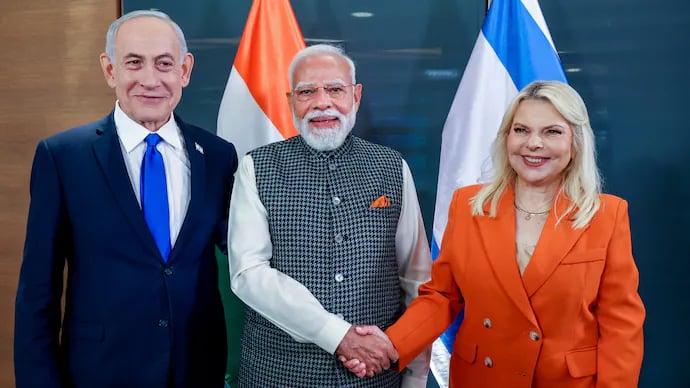
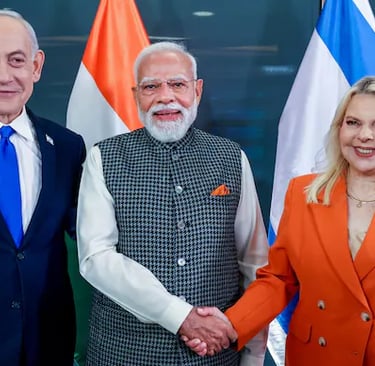
Prime Minister Narendra Modi’s landmark visit to Israel marked a major shift in India’s West Asia diplomacy. It was the first-ever standalone visit by an Indian Prime Minister to Israel and signalled a new level of strategic engagement. Here are the key takeaways: Strategic Upgrade- India–Israel ties were elevated to a stronger strategic partnership, with deeper cooperation in defence, intelligence, and counter-terrorism. Defence & Security Boost-Israel reaffirmed its role as one of India’s top defence suppliers, strengthening collaboration in missile systems, drones, border surveillance, and cybersecurity. Innovation & Technology Focus-Both sides emphasised joint work in agriculture technology, water management, artificial intelligence, and startup ecosystems — sectors where Israel has global expertise. Balanced West Asia Policy-Despite closer ties with Israel, India maintained its traditional support for the Palestinian cause, signalling a balanced and independent foreign policy approach. Strong Personal Diplomacy-Modi’s public outreach with Israeli leadership, including warm engagements with then Prime Minister Benjamin Netanyahu, showcased visible political chemistry and reinforced bilateral confidence. Why It Matters-The visit marked a turning point in India’s West Asia outreach — transforming India–Israel relations from quiet cooperation to an openly strategic partnership spanning defence, innovation, and geopolitics.